The Recyclability of Paper, Cardboard, and Fiber-Based Packaging
In the context of the new EU Packaging Regulation (PPWR)
With the European Packaging Regulation (EU) 2025/40 ("Packaging and Packaging Waste Regulation", PPWR), the European Union has created a new legal framework for a circular future of packaging. The regulation includes numerous requirements and applies to almost all packaging types. Recyclability of packaging is explicitly demanded by the PPWR as a key component for a successful circular economy, reduction of packaging waste, and minimization of environmental impacts caused by packaging waste.
The recyclability of packaging is determined by the availability of a recycling infrastructure and the packaging design. The latter defines whether and how well a package can be sorted and recycled — thus influencing the yield and quality of the recycled material. Central requirements of the PPWR (Article 6) therefore focus on packaging design: with few exceptions, packaging must be designed for recycling from 2030 onwards.
Packaging manufacturers and designers will therefore need to ensure that almost all packaging not only meets functional and visual requirements but also complies with the demands of the PPWR. Design for recycling means design for sortability and design for technical recyclability. For fibre-based packaging made of paper, cardboard, and molded fibre, which undergo less complex sorting than metal and plastic packaging, the focus lies on technical recyclability.
Recyclability of Paper and Cardboard Packaging
Packaging made of paper, cardboard, and carton is generally well suited for recycling, as it can be broken down into its original material — paper fibres — using water and mechanical action. This is demonstrated by the already high recycling rate of nearly 80% in Europe.
Fibre quality plays a crucial role as it affects the number of possible recycling cycles and potential applications. High-quality, clean fibres can be reused multiple times, whereas heavy contamination can limit their reuse in certain applications or hinder further recycling.
Cardboard packaging, commonly used in e-commerce, logistics, and industry, can usually be recycled into new fibre-based packaging without difficulty. These packages typically contain only the additives, coatings, and adhesives necessary for the production of paper and corrugated board, with few additional materials. Today’s printing inks, hot melt adhesives, labels, and packing tapes are largely compatible with the requirements of paper mills where the recycling takes place.
In contrast, innovative and flexible paper, board, and molded fibre packaging — especially when used as primary packaging to replace plastics — often have significantly different compositions. For instance, coatings may be applied to protect the paper from moisture and grease, enable shaping and sealing (e.g., heat-seal coatings), or protect the product itself from moisture or oxygen (barrier coatings). Primary packaging also tends to be more heavily and colourfully printed and decorated than secondary or tertiary packaging. Their specific shapes and functionalities often require different adhesives than those used in traditional cardboard packaging.
Even though industry guidelines for recycling-friendly design already exist, and the secondary legislation from the European Commission under the PPWR will likely include detailed rules as well, practical testing of technical recyclability remains indispensable for novel packaging designs. This is particularly true for designs containing materials or components that have not yet been fully evaluated or incorporated into existing guidelines.
Testing Methods for Evaluating Technical Recyclability
Currently, several testing methods and protocols exist to assess the technical recyclability of fibre-based packaging and paper in general. These include:
-
Cepi Harmonised European laboratory test method to generate parameters enabling the assessment of the recyclability of
paper and board products in recycling mills with conventional process (Part I), Version 3
-
4evergreen Paper and Board – Recyclability Laboratory Test Method – Part II: Recycling mill with flotation-deinking process
-
4evergreen Fibre-based Packaging Recyclability Evaluation Protocol-
PTS Method PTS-RH:021/97 (2012): Evaluation of the recyclability of packaging materials made of paper, board, and carton,
as well as printed graphic products
-
EPRC Assessment of Printed Product Recyclability – Scorecard for the Removability of Adhesive Applications
-
INGEDE Method 1: Preparation of test sheets and filtrates from deinked pulp for the determination of optical properties
-
INGEDE Method 4: Determination of macro stickies in deinking pulps
-
INGEDE Method 12: Evaluation of the recyclability of printed products – testing the fragmentation behaviour of adhesive applications
Despite the diversity of current methods, the testing process generally follows similar steps and uses the same equipment. Key considerations include:
-
Disintegration capability of the packaging-
Amount and properties of the rejects during fibre separation-
Suitability of the resulting pulp for paper production
In the future, testing is expected to become harmonized under the PPWR, with the required methods clearly defined in secondary legislation. However, a fundamental change in the test procedures or required equipment is not anticipated. Therefore, it is already feasible to acquire the necessary equipment for future testing.
Conclusion: Challenges and Opportunities
The new EU Packaging Regulation presents significant responsibilities for packaging, paper, and board manufacturers. Companies intending to sell their products in the EU must ensure that their packaging complies with the requirements for recycling-friendly design. From 2030 onwards, only such packaging will be allowed on the European market. Meeting these requirements is not only a regulatory obligation but also an opportunity to attract environmentally conscious customers and to position one's company competitively in the long term.
The European Commission will define the exact design requirements and testing procedures for recycling-friendly packaging by January 1, 2028. However, based on existing testing methods, companies can already assess whether their packaging meets the criteria for technical recyclability. The use of modern testing and measuring equipment is essential in this process.
FRANK-PTI, as a leading manufacturer of testing equipment for the paper and packaging industry, is the ideal partner for companies facing the challenges of the new EU Packaging Regulation. With state-of-the-art testing devices and long-standing expertise, FRANK-PTI offers tailored solutions for precise assessment of technical recyclability. The innovative instruments enable reliable testing of all relevant aspects — from fibre analysis to adhesive evaluation. Through cooperation with FRANK-PTI, packaging, paper, and board manufacturers can optimize their products and position themselves as environmentally responsible, future-oriented companies. With FRANK-PTI at their side, manufacturers are well equipped to meet the high standards of the circular economy and successfully bring their products to the European market.
You can find the appropriate equipment for testing technical recyclability
here.Testing Technical Recyclability: Required Equipment
Regardless of which of the mentioned testing protocols is applied, the basic equipment required is similar, as all procedures follow comparable steps.
The essential steps and evaluations in the testing procedures are illustrated in the figure. In specific cases, certain steps may not be applied or required in every method, or the same devices may be used with different parameters or setups.
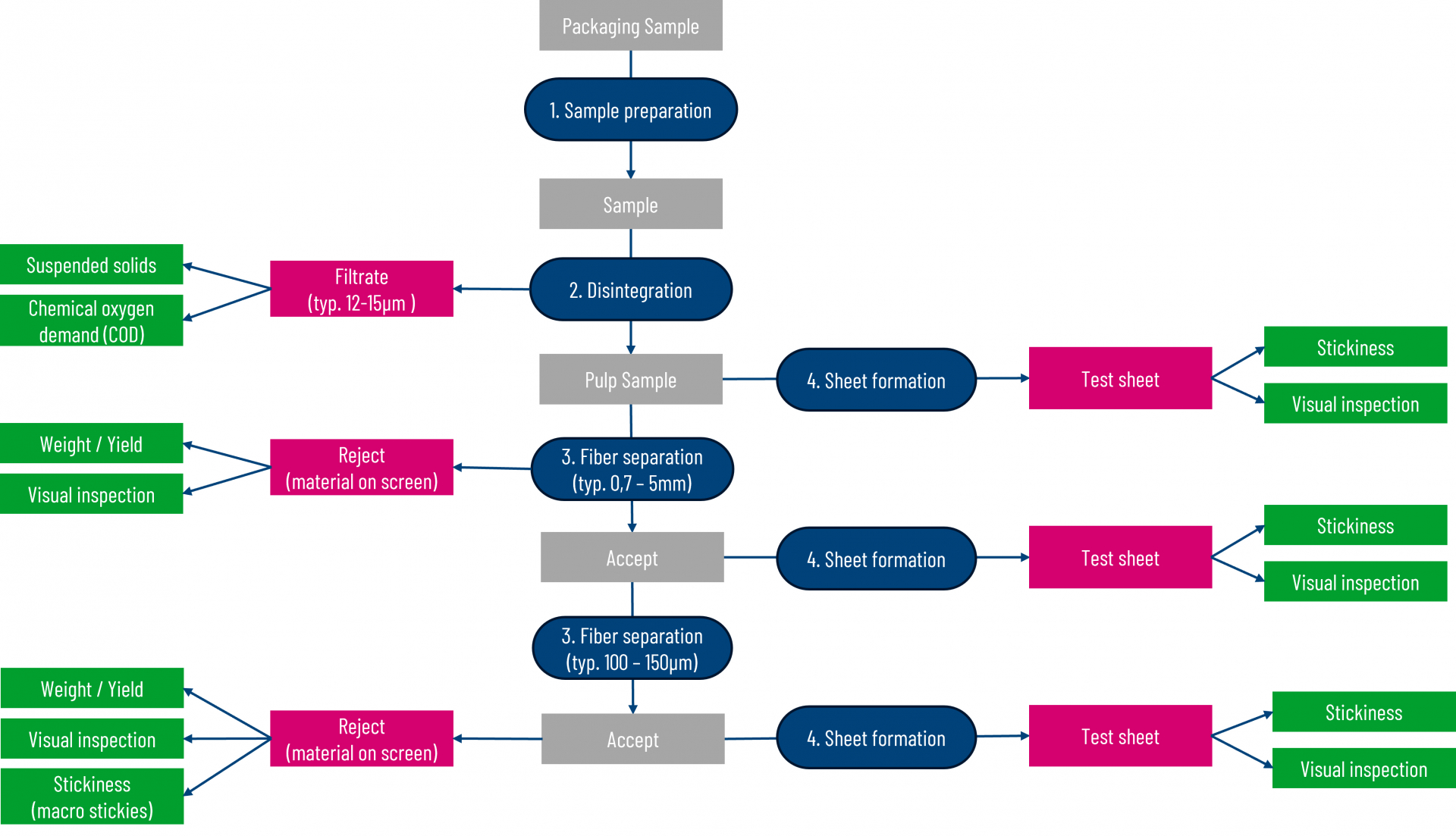
The individual steps and corresponding devices are described below:
1. Sample Preparation
In this step, samples of the packaging to be tested are taken. These should be representative of the entire product, including all elements present in the packaging such as labels, closures, printing inks, coatings, and adhesives. Usually, this involves cut sections or excerpts.
The samples are cut into small pieces using a sample cutter or punch, making them manageable for the actual testing.
2. Disintegration
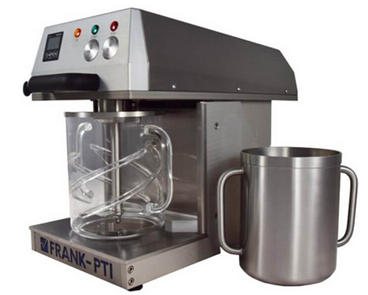
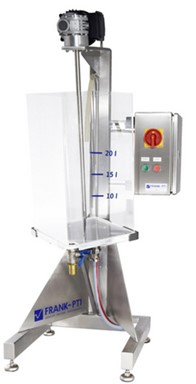
In this step, the samples are processed in a disintegrator (also called a pulper), which simulates the industrial recycling process, forming a suspension in water. The ability of the material to break down into fibres without leaving large undissolved residues is assessed. The result is a pulp sample that may still contain some reject material. The pulp is diluted using a distributor to reach the desired (fibre) concentration for subsequent steps.
3. Fibre Separation
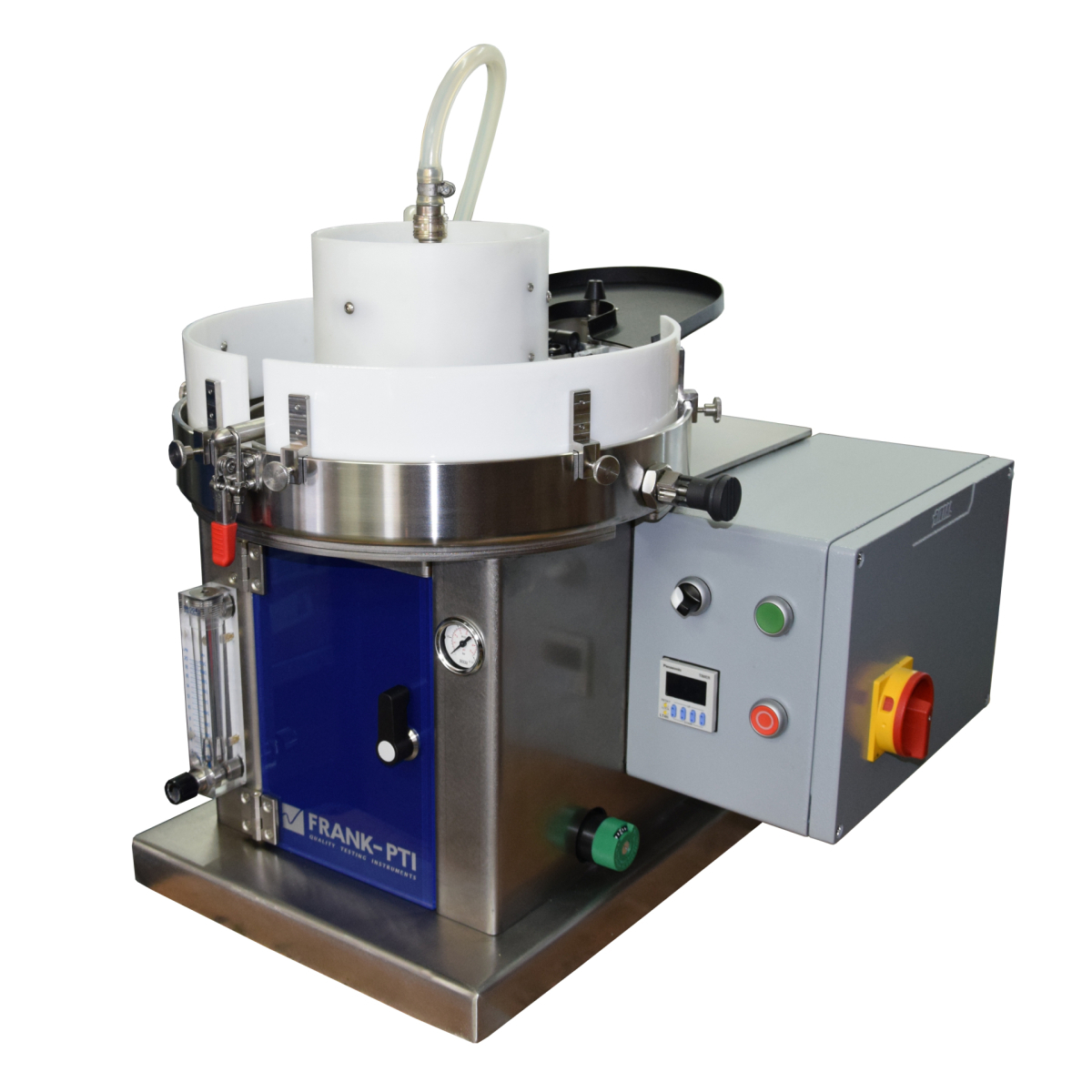
This step simulates the separation of paper fibres from unwanted materials such as plastics, adhesives, coatings, and inks. The sample is flushed through a sieve with continuous water flow. Larger particles are retained on the sieve and classified as "rejects", while usable fibre passes through. Depending on the method, multiple sequential separation steps with different sieve sizes may be required.
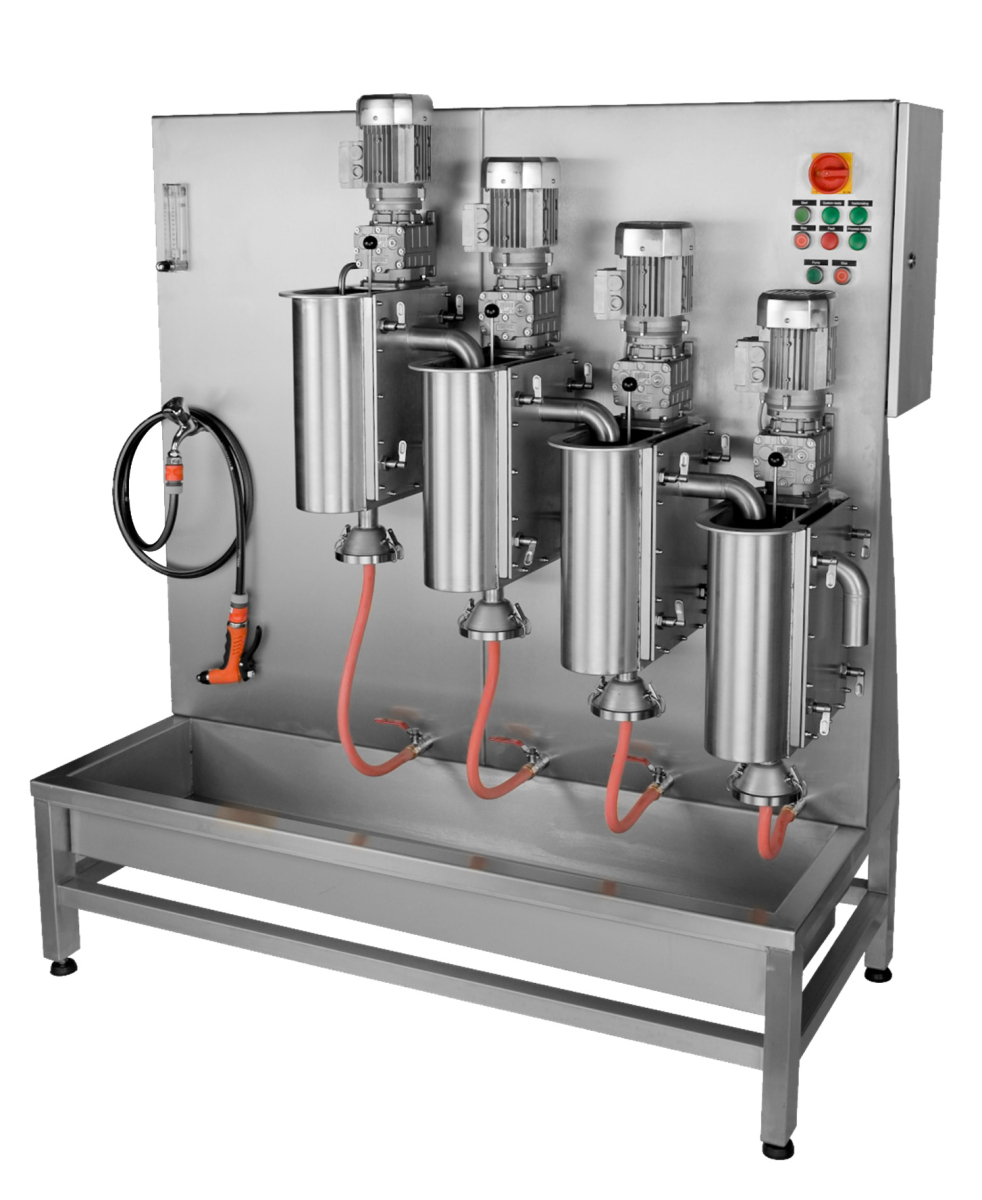
Fibre separation is conducted using devices like the Somerville-type screen, or fractionators based on the Haindl or Brecht-Holl principles.
4. Sheet Formation
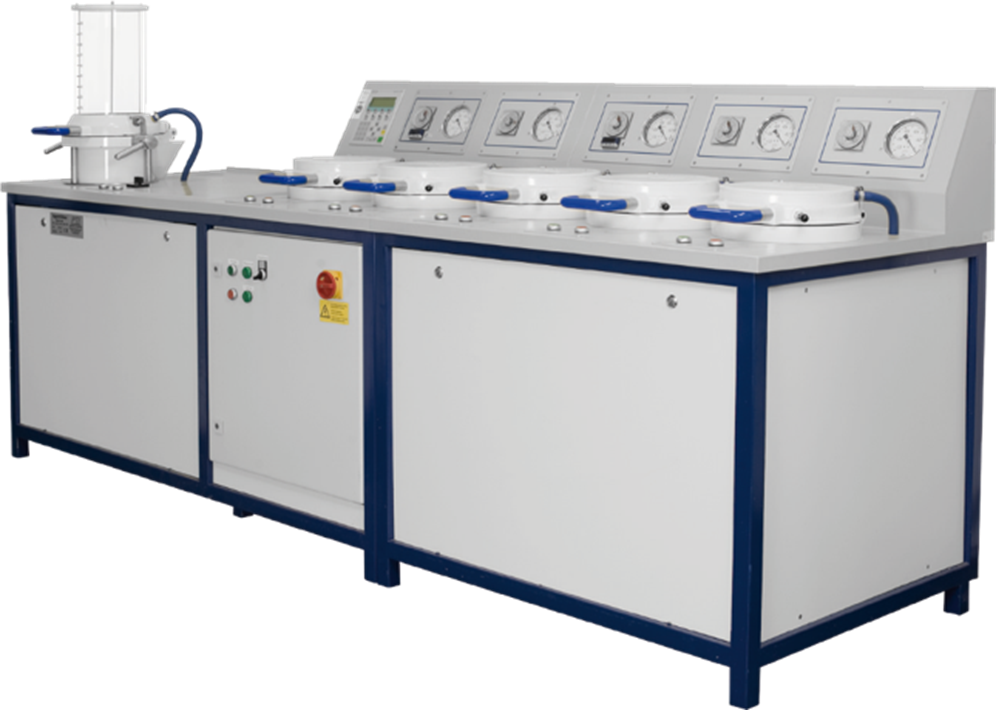
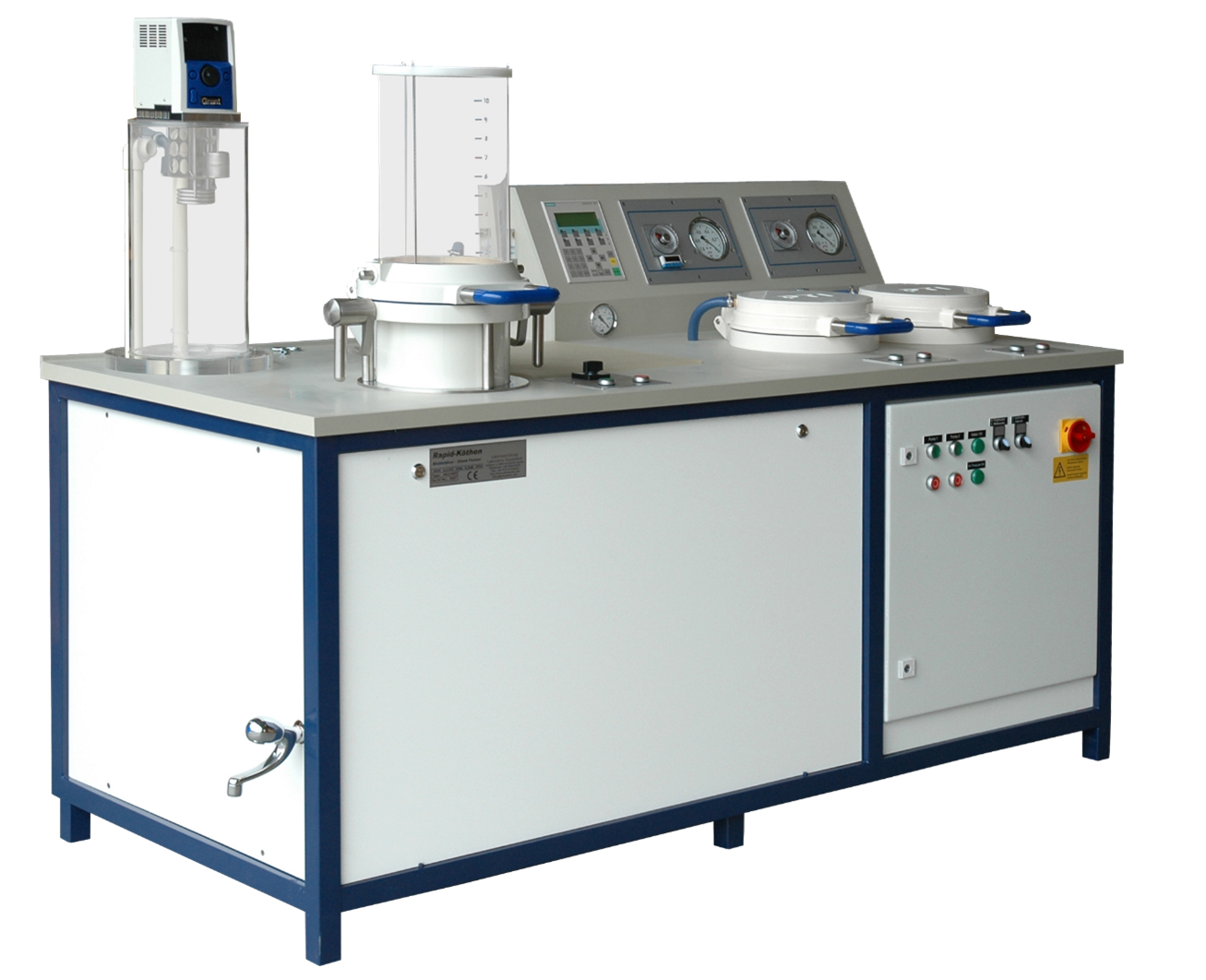
From the fibre material (both from pulp and from separated usable fibre), lab sheets can be formed to evaluate the paper-making suitability.
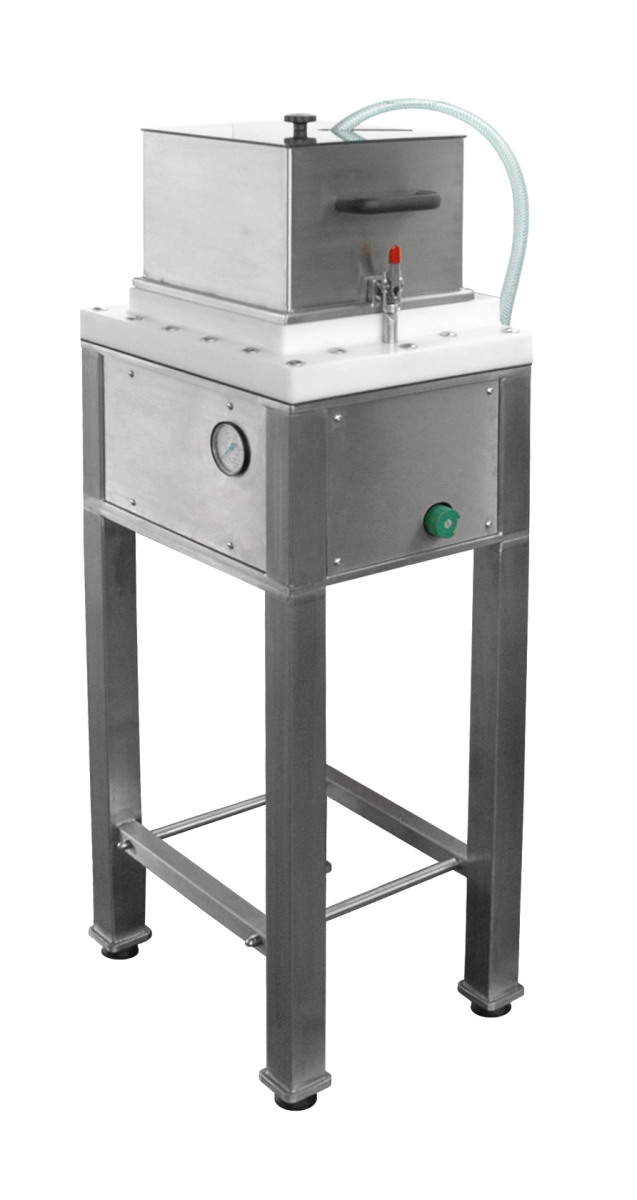
This is done using a lab sheet former, for example based on the Rapid Köthen method, which is widely used in Europe. The sample is dispersed in water within a column, and then the water is drained to allow the fibres to settle as a fleece on a screen. This wet fleece is then transferred to a carrier and dried, forming a lab sheet that can be conditioned for further evaluation.
Even removing the sheet from the carrier may reveal if residual adhesives or chemicals cause issues in paper production. The lab sheets are examined for discoloration and damage. Discoloration and brittleness may indicate residues of adhesives or coatings. The sheets are rated using evaluation scales to classify the sample and determine its general technical recyclability.
Evaluation in Deinking Processes
For printed products, deinking (removal of printing ink) plays an important role. INGEDE Method 11 measures how well printing inks can be detached from paper fibres. In a flotation cell, the paper pulp is foamed, and pigments are separated from the fibres. This step is crucial for recycling printed paper. The optical evaluation of the deinked pulp is done using INGEDE Method 2. Macro stickies are assessed according to INGEDE 4 and 12.
Additional Laboratory Equipment
FRANK-PTI offers a wide range of additional laboratory devices that support or extend the evaluation of technical recyclability:
- Fibre analyzers: for assessing fibre quality and length (e.g., Bauer McNett)
- Microscopes: for examining fibre properties
- Agitators: for further mechanical treatment of the sample (e.g., deinking)
- Drying equipment: for drying and returning pulp to solid form
- Drying cabinets and ovens
- Scales: e.g., for measuring the quantity of rejects
Discover how our testing equipment supports your recyclability assessments!
– Efficient, standard-compliant, precise
Contact us – we look forward to your inquiry.
 Back to overview